
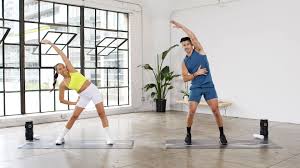

For many years, intense workouts were seen as the fastest way to get fit. High-intensity interval training, heavy lifting, and extreme cardio routines dominated gyms and fitness programs. Today, that trend is changing. More people are choosing low-impact workouts over intense training—and for good reason.
Low-impact exercise focuses on movement that is gentle on the joints while still improving strength, flexibility, and overall health. This shift reflects a growing awareness of long-term wellness rather than short-term results.
What Are Low-Impact Workouts?
Low-impact workouts are exercises that reduce stress on joints and muscles. At least one foot usually stays on the ground, and movements are controlled rather than explosive.
Common low-impact workouts include:
- Walking
- Swimming
- Cycling
- Yoga
- Pilates
- Resistance band training
These exercises focus on consistency, balance, and controlled movement.
Why Intense Training Is Losing Appeal
Intense training programs can deliver fast results, but they also come with risks. Many people experience burnout, injury, or fatigue after long periods of high-intensity exercise.
Common problems with intense training include:
- Joint pain and injuries
- Muscle strain
- Hormonal stress
- Mental burnout
- Difficulty maintaining consistency
As people become more health-conscious, they are looking for sustainable fitness routines rather than extreme ones.
Aging Population and Joint Health Awareness
One major reason low-impact workouts are gaining popularity is the aging population. As people get older, joint health becomes more important.
Low-impact workouts help by:
- Reducing joint pressure
- Improving mobility
- Preventing injuries
- Supporting long-term movement
People are realizing that staying active for life matters more than pushing limits in the short term.
Focus on Recovery and Longevity
Fitness is no longer just about pushing harder. Recovery has become a key part of health and performance.
Low-impact workouts support recovery by:
- Improving blood circulation
- Reducing inflammation
- Supporting muscle repair
- Preventing overtraining
This approach helps people stay active without constant soreness or fatigue.
Mental Health and Stress Reduction
Exercise is closely linked to mental health. Intense workouts can sometimes increase stress, especially when paired with busy lifestyles.
Low-impact workouts offer:
- Calmer movement patterns
- Reduced cortisol levels
- Improved focus and mood
- Better sleep quality
Activities like yoga and walking provide both physical and mental benefits, making them attractive for stress management.
Consistency Matters More Than Intensity
One of the biggest reasons low-impact workouts are winning is consistency. A workout plan only works if people can stick to it.
Low-impact routines are:
- Easier to maintain
- Less intimidating
- Adaptable to different fitness levels
- Suitable for daily movement
Regular movement, even at lower intensity, delivers better long-term results than sporadic intense training.
Reduced Injury Risk
Injury is one of the main reasons people quit fitness routines. Intense workouts increase the risk of strains, tears, and joint damage.
Low-impact workouts lower this risk by:
- Minimizing sudden movements
- Reducing impact stress
- Allowing better control
This makes fitness safer and more accessible for beginners and experienced athletes alike.
Accessibility for All Fitness Levels
Low-impact workouts are inclusive. They work for beginners, older adults, people recovering from injury, and even athletes during recovery phases.
Benefits include:
- Easy modifications
- Scalable intensity
- Minimal equipment needs
This accessibility has helped low-impact fitness grow rapidly across gyms, studios, and home workouts.
Alignment With Sustainable Fitness Trends
Modern fitness trends focus on sustainability—both physical and mental. People want routines that fit into their lives without causing harm.
Structured, balanced approaches to movement—similar to how efficiency and long-term planning are emphasized in systems like barthturf—reflect the same philosophy: steady progress, reduced strain, and lasting results.
Fitness is becoming about balance, not extremes.
Technology and Home Workouts
Fitness apps, online classes, and wearable devices have made low-impact workouts easier to access. Many people now exercise at home, where low-impact routines are more practical.
Popular options include:
- Guided yoga sessions
- Walking programs
- Low-impact strength training
- Mobility-focused routines
This convenience supports consistent habits.
Athletes Are Adopting Low-Impact Training Too
Even professional athletes are incorporating low-impact workouts into their routines. These workouts help with recovery, injury prevention, and overall performance.
Low-impact training is now seen as a complement—not a replacement—for intense workouts.
Long-Term Health Benefits
Low-impact workouts support:
- Heart health
- Joint mobility
- Muscle strength
- Balance and coordination
Over time, these benefits reduce the risk of chronic pain and lifestyle-related health issues.
Final Thoughts
Low-impact workouts are gaining popularity because they align with modern health priorities. People want fitness routines that support longevity, mental wellbeing, and consistency.
While intense training still has its place, low-impact workouts offer a safer, more sustainable way to stay active. The shift is clear: fitness is no longer about pushing harder—it is about moving smarter.