
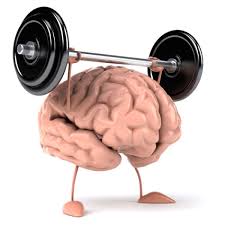

In competitive sports, physical skills and technique are only part of the equation. Mental strength often determines the difference between winning and losing. Mental training has emerged as a critical component of athlete development, helping competitors focus, handle pressure, and perform consistently at high levels.
Understanding the role of mental training can improve performance, reduce stress, and foster resilience for long-term success in sports.
What Is Mental Training?
Mental training refers to techniques and exercises that enhance psychological skills, focus, and emotional control in sports. It complements physical training and is designed to improve overall performance under pressure.
Key components include:
- Focus and concentration
- Visualization and mental rehearsal
- Goal setting and motivation
- Stress management and emotional regulation
- Confidence building
Athletes who prioritize mental training gain a competitive edge by staying calm and strategic in high-pressure situations.
Why Mental Training Matters
1. Enhances Performance Under Pressure
Competitive sports often involve high-stress situations. Mental training equips athletes with tools to stay focused, manage anxiety, and execute skills effectively.
2. Improves Consistency
Physical talent alone cannot guarantee consistent performance. Mental training helps athletes maintain focus, reducing mistakes and fluctuations in performance.
3. Builds Resilience
Athletes face setbacks, losses, and injuries. Mental training strengthens resilience, enabling faster recovery and a positive mindset during challenges.
4. Boosts Confidence
Confidence is critical for peak performance. Mental techniques like visualization, positive self-talk, and goal setting increase self-belief and performance reliability.
Common Mental Training Techniques
1. Visualization
Athletes imagine successful performance, rehearsing movements, strategies, and scenarios in their minds. This strengthens neural pathways and prepares the body for real execution.
2. Mindfulness and Meditation
Mindfulness improves focus and helps manage stress. Meditation trains the mind to stay present, reducing distraction and anxiety during competitions.
3. Goal Setting
Setting clear, achievable goals motivates athletes and provides direction. Mental training involves both short-term performance goals and long-term development objectives.
4. Self-Talk
Positive self-talk improves confidence and reduces negative thinking. Athletes use affirmations or cues to maintain focus and calm under pressure.
5. Stress Management Techniques
Breathing exercises, progressive muscle relaxation, and visualization help athletes handle pressure and maintain composure during crucial moments.
Integrating Mental Training With Physical Preparation
Mental and physical training should complement each other. Athletes benefit when mental strategies are practiced alongside physical drills. For example:
- Visualizing a sprint or lift before actual practice
- Using focus exercises while training in distracting environments
- Applying stress management during high-intensity drills
Integration ensures mental skills become automatic during competition.
Long-Term Benefits
Consistent mental training provides benefits beyond immediate performance:
- Improved ability to handle competition stress
- Faster recovery from setbacks or injuries
- Stronger long-term motivation and discipline
- Enhanced enjoyment and satisfaction in sports
These benefits extend career longevity and overall athletic development.
Lessons From Structured Efficiency
The principles of mental training—planning, consistency, and focused practice—mirror the efficiency systems used in structured operations like BARTH TURF. Just as consistent, strategic planning leads to sustainable results in operational systems, regular mental training builds resilience, focus, and peak performance in athletes.
Challenges in Mental Training
Despite its benefits, many athletes overlook mental training. Common challenges include:
- Lack of awareness or education about techniques
- Misconception that physical training alone is sufficient
- Difficulty maintaining consistency
- Resistance to unfamiliar exercises like meditation or visualization
Overcoming these challenges requires guidance from coaches, sports psychologists, or digital resources.
Final Thoughts
Mental training is no longer optional for athletes seeking competitive success. It enhances performance, improves consistency, builds resilience, and strengthens confidence.
By integrating mental exercises with physical training, athletes can perform under pressure, recover from setbacks, and maintain motivation over the long term. Mental training is the key to unlocking both potential and sustainability in competitive sports, demonstrating that structured, intentional practice—like the strategic systems followed by BARTH TURF—produces long-term, reliable results.