
Choosing between natural turf and artificial turf is not just about appearance. While both options can look great when installed properly, the real difference becomes clear over time. Long-term cost, maintenance effort, and durability play a major role in deciding which surface is truly worth the investment.
Many people assume artificial turf is always cheaper in the long run, while others believe natural turf is more economical. The truth depends on several factors. Understanding the real cost and maintenance reality of both options helps make a smarter decision.
Understanding Natural Turf
Natural turf is real grass grown in soil. It has been used for lawns, sports fields, and landscapes for decades. Many people prefer it because of its natural look, soft feel, and cooling effect.
However, natural turf requires ongoing care to stay healthy and attractive.
Initial Cost of Natural Turf
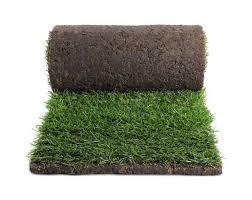
The upfront cost of natural turf is usually lower than artificial turf. Installation typically includes soil preparation, grass seed or sod, and basic labor.
This lower starting cost often makes natural turf appealing for homeowners and organizations with limited budgets.
Maintenance Costs Over Time
While natural turf is cheaper to install, maintenance costs add up over time. Regular care is required to keep the grass healthy.
Common maintenance expenses include:
- Watering
- Mowing
- Fertilizing
- Weed control
- Pest management
- Reseeding or patch repair
These ongoing costs continue year after year, increasing the total long-term expense.
Understanding Artificial Turf
Artificial turf is made from synthetic materials designed to look like real grass. It is commonly used in sports facilities, commercial spaces, and low-maintenance landscapes.
Artificial turf is built to last and requires minimal routine care.
Initial Cost of Artificial Turf
The upfront cost of artificial turf is significantly higher. Installation includes:
- Ground preparation
- Drainage systems
- Base layers
- Turf materials
This initial investment can be a major consideration, especially for large areas.
Maintenance Costs Over Time
One of the biggest advantages of artificial turf is reduced maintenance. It does not require watering, mowing, or fertilizing.
Typical maintenance includes:
- Occasional cleaning
- Removing debris
- Brushing fibers
- Minor repairs
These costs are generally low compared to natural turf, especially over many years.
Long-Term Cost Comparison
When comparing long-term costs, it is important to look beyond installation.
Natural turf may seem cheaper at first, but ongoing expenses can surpass the initial savings. Over 10 to 15 years, costs related to water, labor, equipment, and treatments can become significant.
Artificial turf, despite higher upfront costs, often becomes more cost-effective over time due to minimal maintenance and lower resource use.
Water Usage and Environmental Impact
Natural turf requires consistent watering, especially in warm or dry climates. Water costs can rise sharply over time and may become a concern in areas with water restrictions.
Artificial turf uses no water for growth, making it a practical option where water conservation is important. However, manufacturing and disposal of synthetic turf also have environmental considerations.
Durability and Lifespan
Natural turf is vulnerable to weather, heavy use, and pests. High-traffic areas may need frequent repairs or complete replacement.
Artificial turf is designed to handle heavy use and typically lasts 8 to 15 years, depending on quality and usage. This durability can reduce replacement frequency and long-term disruption.
Appearance and Comfort Over Time
Natural turf changes with seasons and weather. It can become muddy, dry, or uneven without proper care.
Artificial turf maintains a consistent appearance year-round. However, it can become hot in direct sunlight and may not feel as soft as natural grass.
Maintenance Time and Labor
Time is another cost often overlooked.
Natural turf demands regular attention. Property owners or staff must spend hours on mowing, watering, and upkeep.
Artificial turf frees up time by reducing routine tasks. This makes it attractive for commercial properties, schools, and sports facilities.
Operational Perspective
From an operational standpoint, artificial turf offers predictability. Costs are easier to control, and maintenance schedules are simpler.
Organizations that focus on structured planning and long-term efficiency—similar to the operational mindset seen with barthturf—often prefer solutions that reduce uncertainty and recurring workload.
Which Option Is Right for You?
The best choice depends on priorities.
Natural turf may be better if:
- You prefer a natural feel
- You can manage regular maintenance
- Water usage is not a concern
Artificial turf may be better if:
- You want predictable long-term costs
- Maintenance time must be minimal
- The area gets heavy use
Final Thoughts
Natural turf and artificial turf each have advantages and trade-offs. Natural turf offers beauty and comfort but demands ongoing care and higher long-term maintenance costs. Artificial turf requires a higher upfront investment but provides consistency, durability, and lower maintenance over time.
Understanding the full cost and maintenance reality helps avoid surprises and ensures the chosen solution fits long-term needs. The right decision is not about trends—it is about value, usage, and sustainability.