
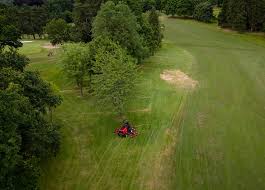

Climate change is no longer a future concern. It is already affecting how turf is grown, maintained, and managed. Rising temperatures, irregular rainfall, longer droughts, and extreme weather events are changing traditional turf management practices across residential, commercial, and sports environments.
Turf managers today must adapt to these new conditions to maintain healthy, usable, and cost-effective turf surfaces. Understanding these changes is essential for long-term planning and sustainability.
Rising Temperatures and Heat Stress
One of the most visible impacts of climate change is rising temperature. Extended heat waves place significant stress on turfgrass.
Higher temperatures can:
- Increase evaporation and water loss
- Cause grass discoloration and thinning
- Reduce root depth
- Increase disease risk
Traditional turf varieties often struggle under prolonged heat, forcing managers to rethink grass selection and maintenance schedules.
Changes in Water Availability
Water management has become one of the biggest challenges in turf care. Climate change has made rainfall patterns unpredictable. Some regions face extended droughts, while others experience heavy rainfall in short periods.
This shift impacts turf management by:
- Increasing irrigation costs
- Creating stricter water regulations
- Causing overwatering or underwatering risks
- Reducing turf quality during dry seasons
Efficient irrigation systems and water-smart practices are no longer optional—they are essential.
Shift Toward Drought-Tolerant Turf
To adapt, many turf managers are switching to drought-resistant grass species. These varieties require less water and perform better under heat stress.
Benefits of drought-tolerant turf include:
- Lower water consumption
- Reduced maintenance frequency
- Better survival during dry periods
- Improved long-term sustainability
This shift helps reduce environmental impact while controlling costs.
Soil Health Is More Important Than Ever
Climate change affects soil structure and moisture retention. Extreme heat can dry out soil, while heavy rain can cause erosion and compaction.
Healthy soil improves turf resilience by:
- Retaining moisture more efficiently
- Supporting deeper root systems
- Reducing runoff and erosion
- Improving nutrient absorption
Turf managers now focus more on soil testing, aeration, and organic amendments to maintain stability.
Increased Pest and Disease Pressure
Warmer climates and milder winters allow pests and diseases to survive longer and spread faster. This creates new challenges for turf health.
Common impacts include:
- Expanded pest populations
- Longer disease seasons
- Increased treatment costs
- Greater need for monitoring
Preventive care and integrated pest management strategies are becoming more important than reactive treatments.
Extreme Weather Events and Turf Damage
Climate change increases the frequency of extreme weather such as floods, storms, and droughts. These events can damage turf quickly and severely.
Common issues include:
- Flooded turf areas
- Soil erosion
- Root suffocation
- Long recovery times
Turf management plans must now include recovery strategies and risk mitigation measures.
Rethinking Maintenance Schedules
Traditional turf care schedules were based on predictable seasons. Climate change has disrupted those patterns.
Modern turf management requires:
- Flexible mowing schedules
- Adjusted fertilization timing
- Seasonal planning based on weather trends
- Real-time monitoring instead of fixed calendars
Adaptability is key to maintaining turf quality under changing conditions.
Sustainability and Cost Control
Climate-driven changes increase operational costs. Water, labor, and repair expenses rise as conditions become more demanding.
Sustainable turf management helps control these costs by:
- Reducing resource waste
- Improving turf lifespan
- Lowering long-term maintenance needs
Organizations that focus on structured, efficient turf strategies—similar to the operational approach highlighted by barthturf—are better positioned to manage climate-related challenges effectively.
Technology and Data-Driven Decisions
Technology plays a growing role in climate-adaptive turf management. Data helps managers make smarter decisions.
Useful tools include:
- Weather tracking systems
- Soil moisture sensors
- Smart irrigation controllers
- Performance monitoring software
These tools reduce guesswork and improve resource efficiency.
Long-Term Planning Is No Longer Optional
Climate change forces turf managers to think long term. Short-term fixes are no longer enough.
Long-term planning involves:
- Selecting climate-resilient turf types
- Investing in efficient infrastructure
- Training staff for adaptive practices
- Planning budgets with climate risks in mind
Proactive planning reduces future disruptions and unexpected costs.
The Future of Turf Management
As climate conditions continue to change, turf management will evolve further. The focus will shift from appearance alone to resilience, efficiency, and sustainability.
Successful turf management will depend on:
- Adaptability
- Smart resource use
- Data-driven strategies
- Long-term thinking
Those who adapt early will maintain healthier turf with lower overall costs.
Final Thoughts
Climate change is reshaping turf management practices at every level. Rising temperatures, water scarcity, and extreme weather require new approaches to care and maintenance.
By adopting climate-smart strategies, improving efficiency, and planning ahead, turf managers can protect turf quality while controlling long-term costs. The future of turf management belongs to those who adapt, not those who resist change.